Explore Detailed Syllabus & Subjects VIEW COURSE CURRICULUM PDF

Entry requirements

Chandigarh University M.E Electronics & Communication Engineering Eligibility
& Fee Details

Gate Scholarship

  • University – 3000 pm Max 20% (Research Based / MHRD)
  • 1 Crore Total Scholarships

M.E Electronics & Communication Engineering Scholarships

Internship Opportunities

Internship Opportunities

  • Various core companies (AMD India Private Limited, Samsung, Intel etc.) offer 06month internships with stipend ranging 12000/- to 18000/-

Teaching Assistantship

  • 10% of the Intake - Subject to Max 03 Students
  • 8000 Per Semester – 03 Students – 48k

International Collaborations

530+ International Partners
in 100 Countries

  • Semester Exchange and Student Exchange
  • Faculty Exchange Programs
  • International Adjunct Faculties
Know More

Industry Partners

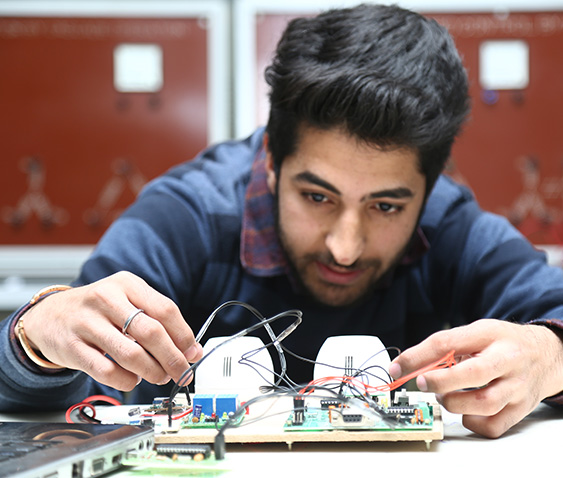
This COE aims at providing knowledge of basic concepts of Robotic Process Automation to students. It further builds on these concepts and introduces key RPA Design and Development strategies and methodologies specifically in context of UiPath products.

Altium Designer System Engineering (SE) is a fully-featured editor for schematics that includes powerful collaboration capabilities and a rich set of schematic capture tools to quickly create, edit, simulate, and document schematics.

The Centre of Excellence by KPIT Technologies for the Embedded Systems Lab provides advanced industry-oriented infrastructure, tools, and training to equip students with practical skills in automotive-grade embedded system design and development.

Department Overview

  • Futuristic Curriculum: The cutting-edge curriculum equips students with professional expertise in the advanced areas such as Machine Vision & Signal Processing, Wireless, Mobile & Optical Communication, RF, Antennas & Sensor Networks, Embedded Systems & Robotics, and Microelectronics, Nano-Technology & IC Design.
  • 70% Experiential Learning Model: The program builds the technical foundation through a comprehensive learning approach that combines rigorous academics, practical projects, and industry-relevant problem-solving challenges, followed by dissertation in the final year in collaboration with industry and reputed research organisations.
  • Globally Recognized Certifications: The certifications from Microsoft, Altium, Coursera, and LinkedIn, elevate the skill sets of the students and build their professional competency.
  • Advanced Tech Ecosystem: Access to advanced tools and platforms such as MATLAB & Simulink, Cadence, Xilinx Vivado, Optisystem CST Studio Suite, Ansys for RF Design, Arduino, Raspberry Pi, and ESP32 Microcontrollers provide hands-on learning opportunities to the students.
  • Top-Tier Mentorship: The mentorship from distinguished global academicians from the USA, UK, and Russia, along with scientists ranked among the world’s top 2 percent and leading industry professionals, offers students with global perspectives, research excellence, and strong academic and career guidance.
  • Research-Intensive Environment: 100 percent financial and technical assistance for filing patents and publishing research papers in reputed national and international journals encourages innovation, world-class research, and active participation in the global scientific community.
  • State-of-the-Art Labs 

    • PCB Design & Product Prototyping Lab (supported by Altium & MITS, Japan)
    • IoT & Embedded Systems Lab (supported by KPIT)
    • Antenna Design & Wireless Communication Lab
    • UIPath Robotics Automation Control Systems Lab
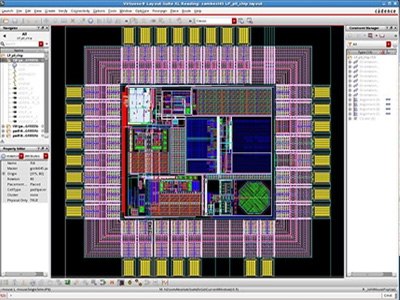
    • VLSI Simulation Lab with Cadence
    • MATLAB and Simulink Simulation Environment Lab
    • & many more

1. Certifications

  • MATLAB Certification
  • Machine Learning Certification

2. Research Publication: 1 per semester

3. Several Internship Opportunity with Core companies

Companies visited for placements

placement-companies
placement-companies
placement-companies
placement-companies
placement-companies
placement-companies
placement-companies
placement-companies
placement-companies
placement-companies
placement-companies
placement-companies
placement-companies
placement-companies

Course Overview

Master of Electronics and Communication Engineering (ECE)

The department of ECE at CU, fulfils the requirement of acquisition of various skills by well-designed curriculum, taking into consideration global problems. The Department focuses on developing students’ practical skills, communication skills, awareness and competence to use information technology, team management and teamwork, understanding of human, social and business spheres, and ability to recognize and appreciate ethical standards. We offer specialized knowledge in the field of Communications, Signal processing, VLSI and Nanotechnology. Teaching methodology at Department of ECE ensures a perfect balance of theory and practical learning throughout the four years of course. The Program, M.E in ECE was started in 2012 under the University Institute of Engineering, Department of Electronics & Communication Engineering, Chandigarh University.

The UIE facilitates students with an intellectually stimulating environment and course curriculum widely spread over practical training, project work, expert lectures, and more. While theory gives you an opportunity to understand the intricacies of the subject, the well-equipped laboratories provide enriched practical understanding and real-time exposure. Teaching methodology at Department of ECE ensures a perfect balance of theory and practical learning throughout the four years of course. To impart high competency in the students, the curriculum offers distinct ability enhancement and value-added courses.

Learning Outcomes

  • Post Graduates will have an ability to familiarize current models, techniques and tools for effective problem solutions with the use of advanced hardware and software tools for development of novel solutions & systems.
  • The candidates will be able to do experiments with evaluation and carry out intelligent trade-offs in electronics system design to provide the solutions w.r.t industry and society.
  • Independent learning ability so to engage in lifelong learning with research & innovations.
  • To design and conduct experiments, and analyze and interpret data.
  • Use of latest tools and technologies, MATLAB, Cadence, OptiSim, Xilinx, etc. in the design and development of electronic circuit and system.

  • To understand the state-of-the-art technological developments in electronics, communications and related areas.
  • Able to do and publish work through literature survey, finding research gaps, problem formulation and devising a solution for existing issues.

International Experts

Prof. Mak Sharma

IoT or Networking,
Birmingham City University, UK

Prof. Vinod Pangracious

Circuits (ASIC), ML/AI implementation and Applications,
American University Dubai

Dr. Fikreselam Gared

Communication systems, Signal processing and image processing, 5G & 6G communication technologies,
Bahir Dar University ,Ethiopia

Prof. Alireza Jolfaei

Communication systems with enhanced security, Artificial intelligence,
Macquarie University, Australia

Prof. Zeev Zalevsky

Nano-Photonics, Silicon Photonics Super Resolution, Bio-Medical Optics and Bio-Imaging Diffractive Optical Elements and Beam Shaping
Bar-Ilan University, Isarel

Message from the Executive Director

Welcome to the University Institute of Engineering at Chandigarh University. Engineering has always been about more than equations and experiments. It is about the courage to ask difficult questions, the discipline to find rigorous answers, and the vision to turn those answers into things that matter — infrastructure that connects communities, systems that power economies, technologies that improve lives. This Institute was built around that belief. Whether you are stepping in as a first-year student finding your footing, a researcher pursuing a question that keeps you up at night, or a professional looking to deepen your expertise, you will find here an environment designed to meet you where you are and take you further than you expected. Our faculty bring not just academic depth but real-world perspective. Our laboratories and facilities are built to the demands of modern engineering practice. Our curriculum evolves continuously — not because change is fashionable, but because the problems engineers are being asked to solve are genuinely changing, and we take that responsibility seriously. What I hope you will discover, beyond the programmes and the infrastructure, is a culture. A culture where curiosity is encouraged, where collaboration is instinctive, and where the standard we hold ourselves to is set not by what is comfortable but by what is possible. I look forward to being part of your journey here.

Research Information

Research Areas

Faculty Associated

Available Tools @ ECE

RF, Antennas & Sensor Networks

Dr. Bimal Raj Dutta

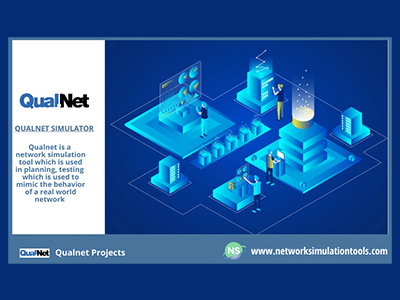
MATLAB, QualNet 6.1, Microstrip RF training kit, CST Microwave Suite

Dr. Kuldip Kumar Pahwa

Dr. Rajpreet Singh

Dr. Harbinder Singh

Ms. Kritika Raj Sharma

Wireless, Mobile & Optical Communication

Dr. Ashutosh Tripathi

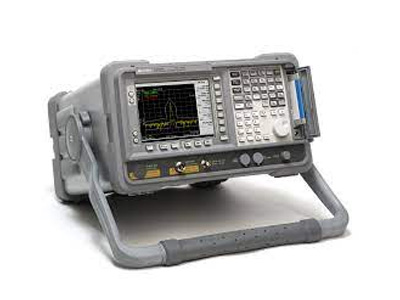
ESA-L 9 KHz- 1.S GHz Spectrum Analyzer , OptiSim software, MATLAB, Mobile Phone Communication Training Module, Optical Splicer

Dr. Rajan Sharma

Dr. Harmeet Singh

Dr. Sudhir Kumar Mishra

Dr. Prabhjot Singh

Dr. Katyayani Kashyap

Dr. Harjeevan Singh

Embedded Systems & Robotics

Dr. Sukhpreet Singh

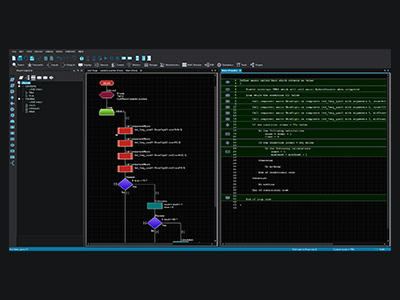
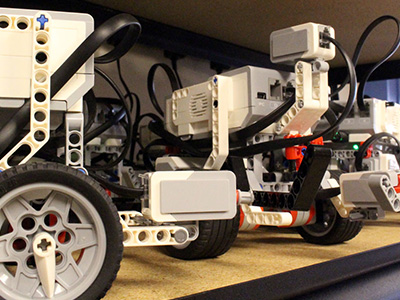
Software Flow Code V4 (for PIC, AVR, ARM, DsPIC), Zigbee Training Module, NI LabView, 3D printer

Dr. Divneet Singh

Ms. Rana Gill

Dr. Prashant Upadhyay

Machine Vision & Signal Processing

Dr. B Priestly Shan

MATLAB, ESA-L 9 KHz- 1.S GHz Spectrum Analyzer, QualNet 6.1

Dr. Jeba Shiney O

Dr. Nitin Sharma

Dr. Bhawna Goyal

Dr. Prashant Upadhyay

Microelectronics, Nano-Technology & IC Design

Dr. Tripti Sharma

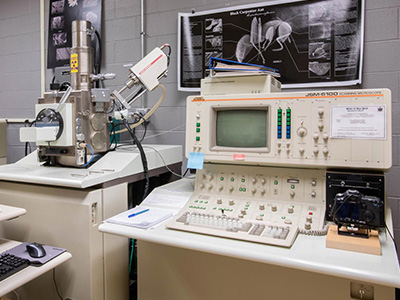
Xilinx ISE system edition 13.4, Xilinx Vivado, Cadence EDA Tool, XRD, SEM, COMSOL Multi-Physics

Dr. Manish Deshwal

Dr. Yogendra Kumar Upadhyay

Ms. Saumya Srivastava

Funded Research Projects

Name of Faculty

Name of Sponsored Research

Sponsored by

Approx. Estimation

Dr. B. S. Sohi (PI)

Divneet Singh Kapoor (CO-PI)

Portable Laboratory Workbench for Learning and Prototyping

SEED/TIASN -DST

Rs. 36,31,526/-

Ms. Rana Gill

Developing Low Cost Smart Crop Monitoring System Using Wireless Sensor for tomato cultivation

DST

Rs. 30, 69,990/-

Dr B. Priestly Shan

Chandigarh University Satellite (CUSAT) to support Education/Training/Multidisciplinary Research & Developmental Projects and initiatives focused on student Satellites

In collaboration with TSC technologies Pvt. Ltd. & ISRO/IN-SPACE

(seed money from university)

Rs. 63, 00,000/-

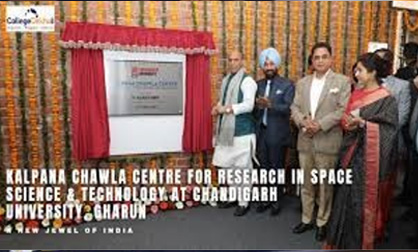
Kalpana Chawla Center for Research in Space Science & Technology

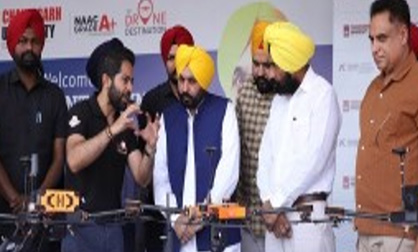
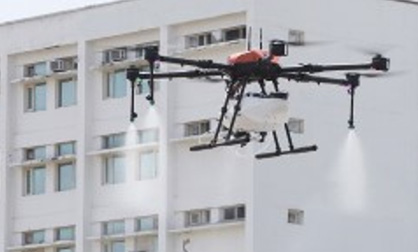
DGCA Approved Drone Training Hub

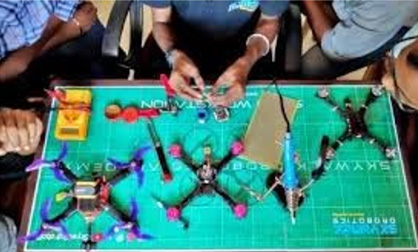
COE on Unmanned Aerial Vehicles

Equipment for Research & Development in the Department

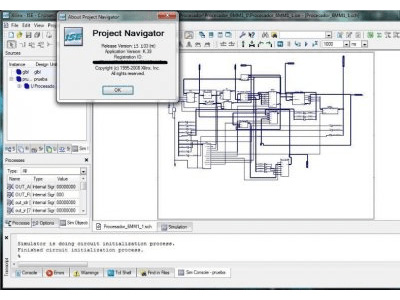
Xilinx ISE system edition 13.4

Xilinx Vivado

Cadence EDA Tool

QualNet 6.1

Software Flow Code V4 (for PIC, AVR, ARM, DsPIC)

MITS Eleven Lab PCB Prototyping Machine

Zed Board

Atlys Comprehensive Spartan-6 Design Platform

Nvis 9008A MIC Trainer

Mobile Phone Communication Training Module

MATLAB-2020 (Full Version)

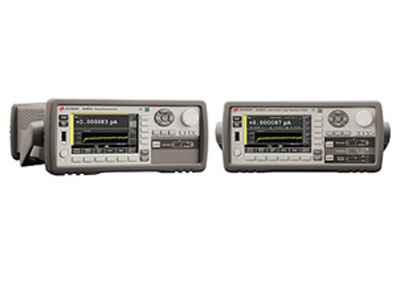
ESA-L 9 KHz- 1.S GHz Spectrum Analyzer

AGMATEL DMM (Desktop model)

Microstrip RF Trainer Kit

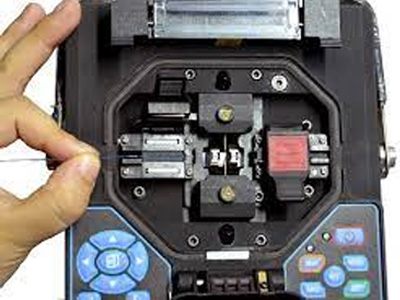
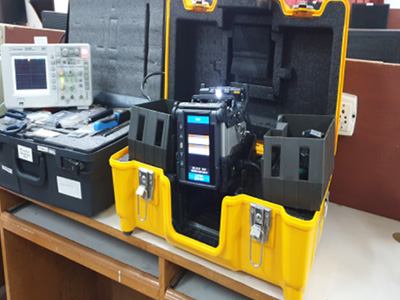
Optical Splicer

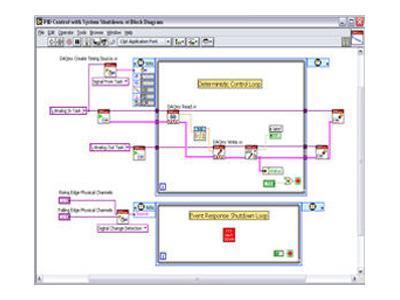
NI Lab VIEW

MTS 4000, OTDR

XRD

FUJIKURA 80S WITH ACCESSORIES

Creality K1C 3D Printer

Course Roadmap

The course roadmap below will help you in planning your academics and
give you an overview of each upcoming semester.

Make an Enquiry

Free Value-Added online certifications from
LinkedIn and Coursera platform

Future Promise

  • Ph.D.
  • MNC Placement
  • JRF
  • Teaching and Guiding the future

Learning Modules

Some of the many career options for you to choose from.

  • Digital System Design using Verilog & VHDL
  • Advanced Communication Systems & Technologies
  • Application of WSN in real life
  • Real-Time Signal Processing: Implementation and Application
  • Applications of MATLAB
  • VLSI Circuit Design: Digital & Analog
  • Layout Design Techniques
  • Optical Communication
  • Antenna Design

Dissertation Domains

MEMS Process and Fabrication
Antenna Design
Analog, Digital, Mixed Signal, RF, Biomedical Circuits
Wireless Sensor Networks
Communications, Networking and Signal Processing/Machine Learning
Embedded Systems & IOT
Optical Communication

Career Prospects (not limited to)

  • Core Electronics & Communication Roles
    • Electronics Engineer (circuit design, testing)
    • Communication Engineer (wireless, optical systems)
    • RF Engineer (antenna, microwave systems)
    • Embedded Systems Engineer
    • VLSI Design Engineer (chip design, verification)
  • IT & Software Industry
    • Software Developer / Engineer
    • Data Analyst / Data Scientist
    • Cloud Engineer
    • Cybersecurity Analyst
    • AI/ML Engineer
  • Emerging Technology Domains
    • IoT (Internet of Things) Engineer
    • Robotics & Automation Engineer
    • 5G/6G Communication Specialist
    • Autonomous Systems Engineer
    • Smart Devices & Wearable Technology Developer
  • Government & Public Sector Jobs
    • Jobs in ISRO
    • DRDO
    • BHEL
    • BSNL
    • Indian Railways, Defense Services
  • Higher Studies & Research
    • MBA (Tech + Management roles)
    • PhD & Research careers
    • Academic careers (Professor/Lecturer)
  • Entrepreneurship & Startups
    • Startups in IoT, robotics, electronics products
    • Embedded system product development
    • Tech consulting & innovation ventures

Pathway After Electronics and Communications Engineering

Careers

The rapid evolution of Electronics Engineering continues to be a key driver of the global Information Technology revolution. Its deep integration has transformed sectors such as healthcare, automation, communication, remote sensing, artificial intelligence, and advanced signal processing.

The Electronics & Communication sector in India, which was estimated at around USD 58 billion (2024), is now projected to grow aggressively to USD 300–400 billion by 2030, fueled by advancements in IoT, 5G/6G technologies, semiconductor manufacturing, embedded systems, and smart infrastructure. The industry is expected to maintain a strong growth rate of 10–12% annually, creating vast opportunities for skilled engineers.

With increasing investments, government initiatives like Make in India, and rising global demand, the future of Electronics and Communication Engineering remains highly promising, offering diverse career opportunities in both core engineering and emerging technology domains.

Top Recruiters

Top companies recruiting Electronics and Communication Engineers are as follows:

Record Breaking
Placement Numbers

54.75 LPA

54.75 LPA

52.11 LPA

52.11 LPA

36 LPA

36 LPA

30.25 LPA

30.25 LPA

29.16 LPA

29.16 LPA

25.33 LPA

25.33 LPA

22 LPA

22 LPA

Scope

Electronics Engineering continues to drive the IT revolution, impacting sectors like healthcare, automation, and communication. The Electronics & Communication market in India, which was about USD 29 billion (2022), is projected to grow to USD 300–400 billion by 2030, supported by technologies such as IoT, 5G/6G, AI, and semiconductor manufacturing. With an expected annual growth rate of 10–12%, the sector offers strong future opportunities in innovation, employment, and global technology leadership.

Why Join Department of Electronics and Communication Engineering?

The Department of Electronics and Communication Engineering (ECE) at Chandigarh University (CU) has created a rich legacy of alumni, who have excelled in various fields of electronics and communication– ranging from academics to project management.

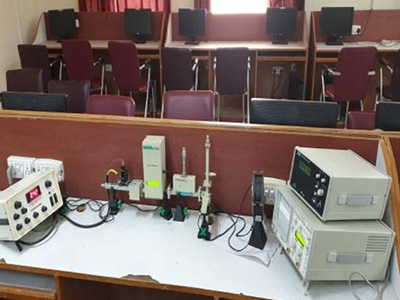
Our teaching methodologies ensure a perfect blend of theory and practical learning throughout the course of study. The department houses eleven state-of-the-art laboratories that are equipped with the latest tools and software for enriching the practical experience of students.

Early Bird Scholarship

Early bird scholarship to the Master of Engineering Programs as per following conditions:

  • 15 (Fifteen) percent scholarship to be given to the students who have completed Bachelor of Engineering from Chandigarh University, provided they pay full semester fee at the time of admission.
  • 10 (Ten) percent scholarship to be given to the students who have completed Bachelor of Engineering/Technology from other recognized Universities/Institutes.

What makes Department of Electronics & Communication Engineering unique?

Studying Electronics & Communication Engineering at CU will help you gain hands-on skills on use of electronic, electromagnetic and photonic devices and systems including telephone, optical fibre and computer systems. From core competency in the areas of the field –to- all round development beyond academics, you will be taught and groomed for everything. The Department offer the Students:
Unique icon

Industry-led & Practice Based Curriculum

Unique icon

Content Delivery & Mentoring by Professionally Trained Faculty & Industry Experts

Unique icon

Unprecedented Industry Patronage

Unique icon

Value Added Courses for all round development of the students
Vision

To achieve excellence in futuristic technologies of Electronics and Communication Engineering to meet the global standards in education, research, and industrial applications for creating young professionals and entrepreneurs with strong social ethical values for betterment of society.
Mission

The Mission of the Department of Electronics and Communication Engineering is to:
  • M1: To provide state-of-the-art infrastructure that meets the international standards for achieving excellence in teaching learning, research, innovation activities and entrepreneurship.
  • M2: To bridge the gap between industry and academia by framing curricula and syllabi based on industrial and societal needs and to inculcate moral and ethical values among the students.
  • M3: To introduce an evaluation system that brings out knowledge application skills and competencies of the students and ensures transparency.
  • M4: To undertake interdisciplinary research by joining hands with other academic institutions in India & abroad.
  • M5: To impart experiential learning through real time projects through collaborations with industry and research centre.
  • M6: To undertake socially relevant health and environment problems for providing technology based solutions.
Vision and Mission of Computer Science and Engineering