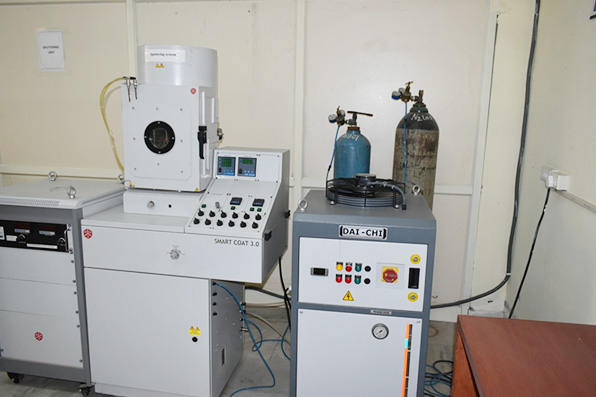
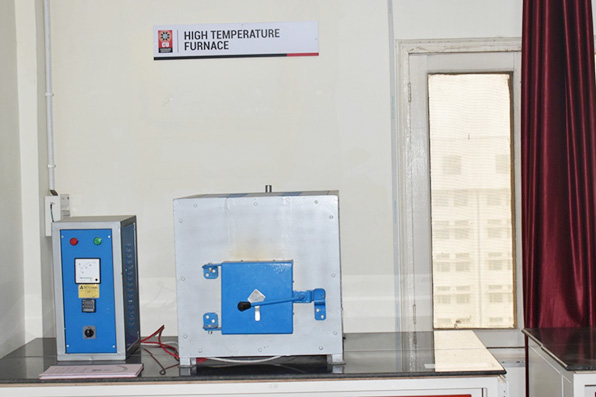
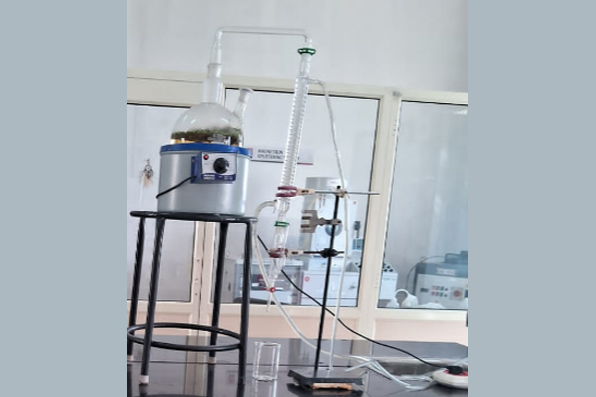
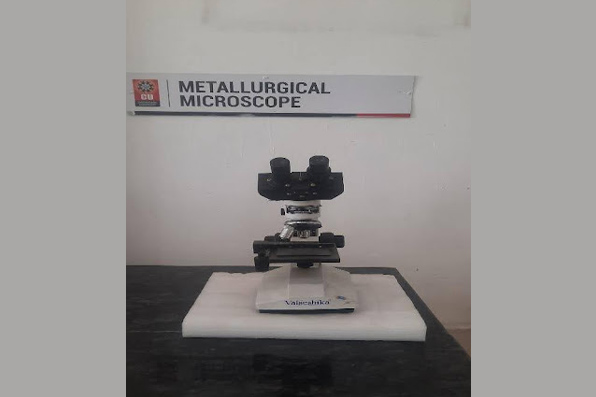
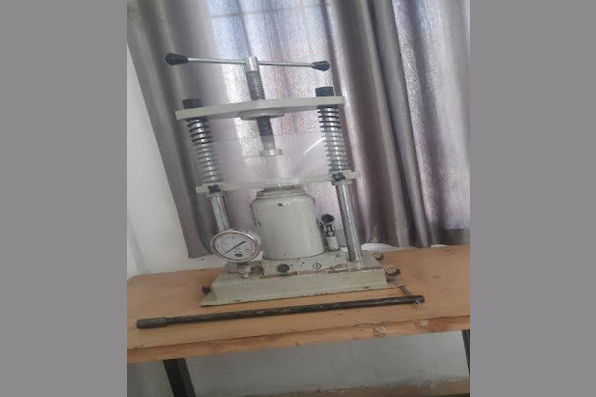
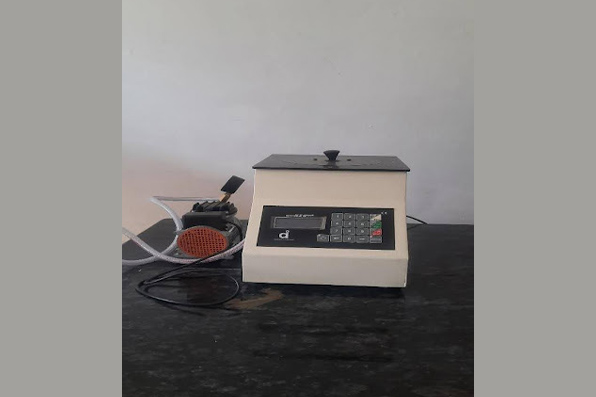
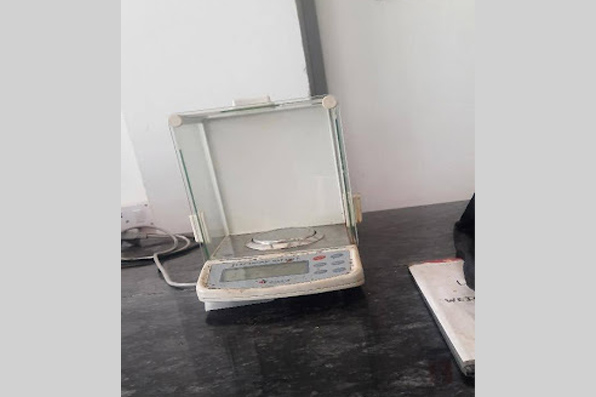
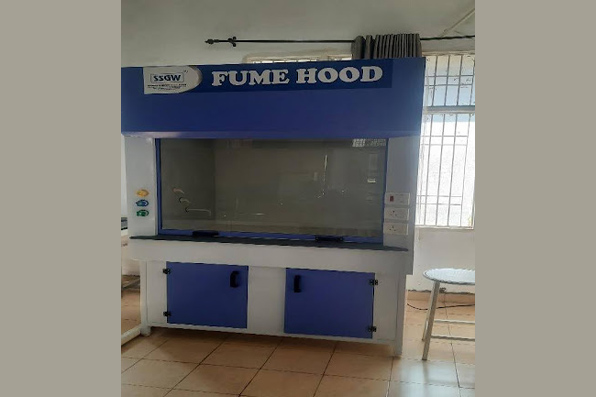
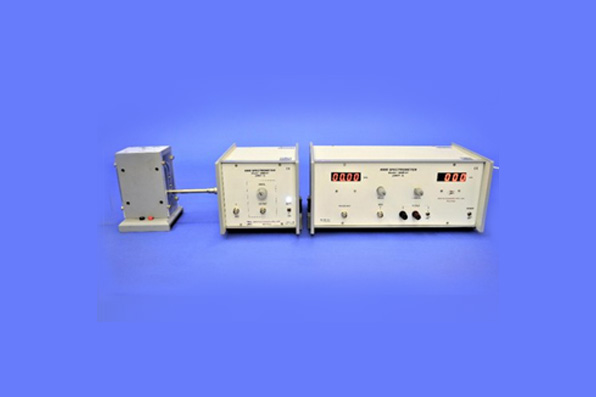
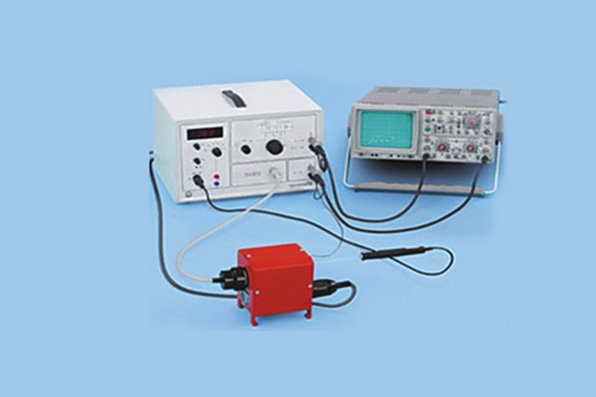
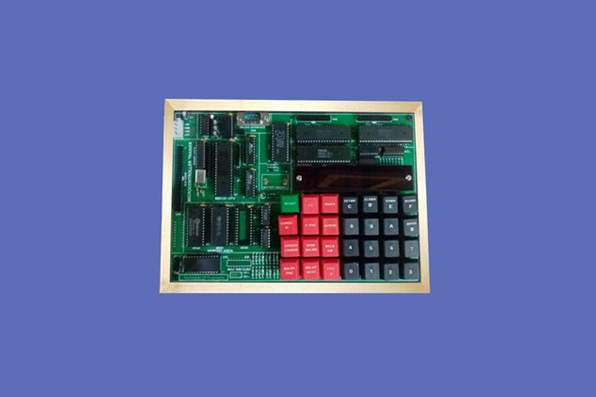
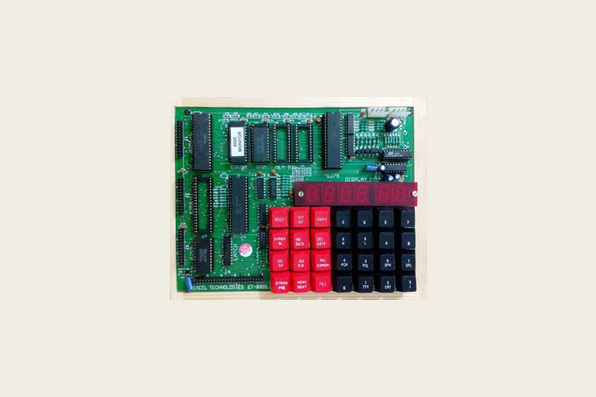
We have dedicated research lab for the synthesis of nanomaterials with facility to deposit thin films by magnetron sputtering system and high temperature oven for sintering ceramics, ferroelectric materials etc. The research lab is equipped with instruments needed for wet chemical synthesis of wide range of nanomaterials such as oxides, ceramics and nitrides etc. In addition research lab has sample preparation facilities such as high pressure pallet making set up for advanced characterization. PhD and M.Sc. students actively utilize these facilities for their research and project works.
Physics lab serves as a dynamic space where theory
meets experimentation, enabling students to explore fundamental principles
and laws of the universe firsthand. Here, students learn not just about
physics concepts, but also about the scientific method – the systematic
approach to understanding the natural world through observation,
experimentation, and analysis.
We have a total of
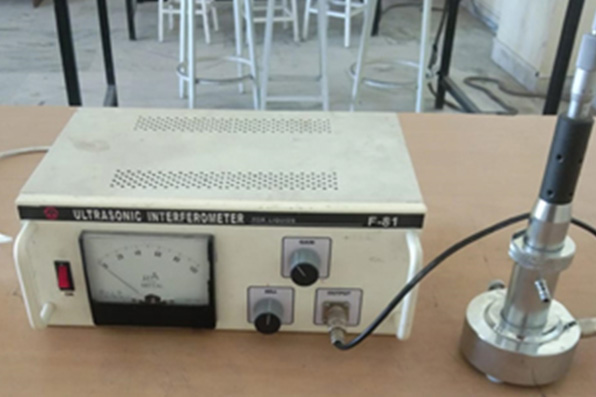
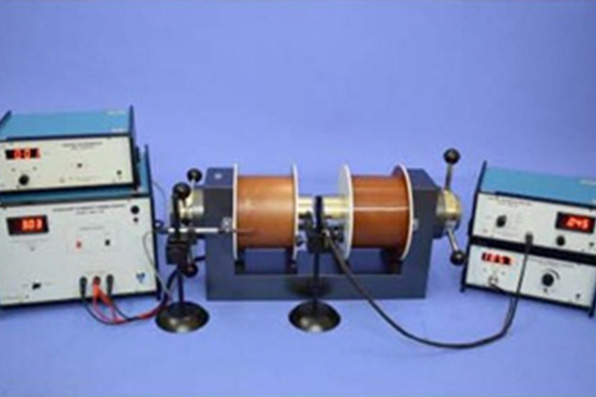
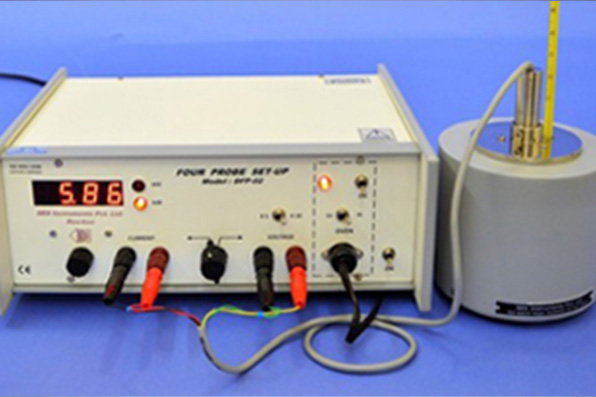
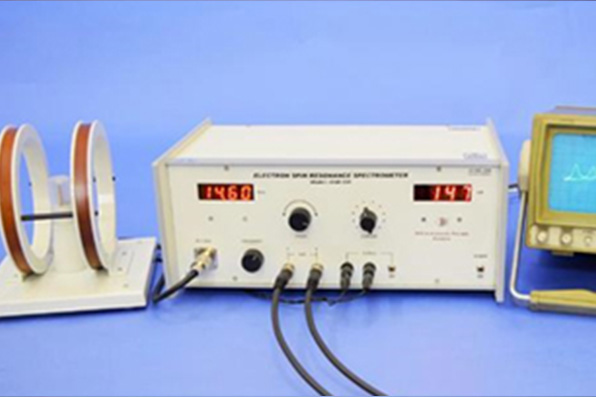
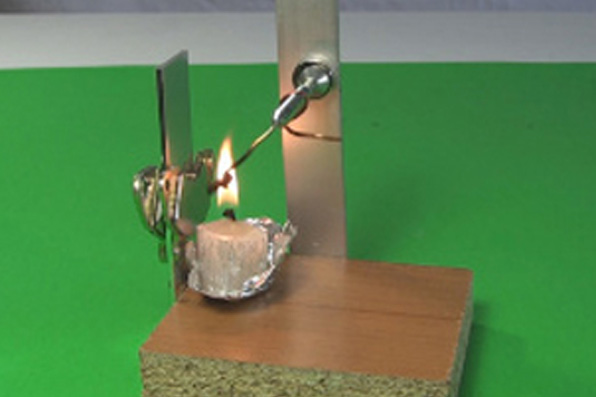
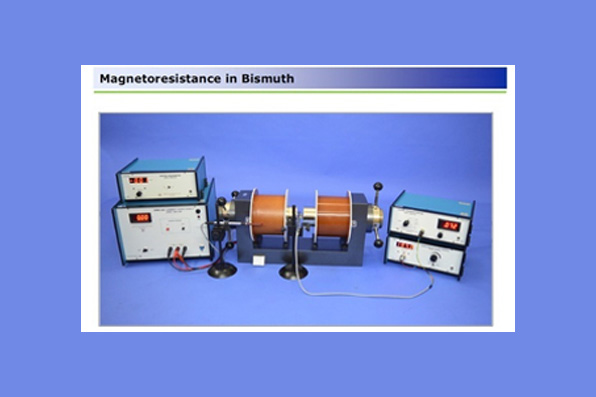
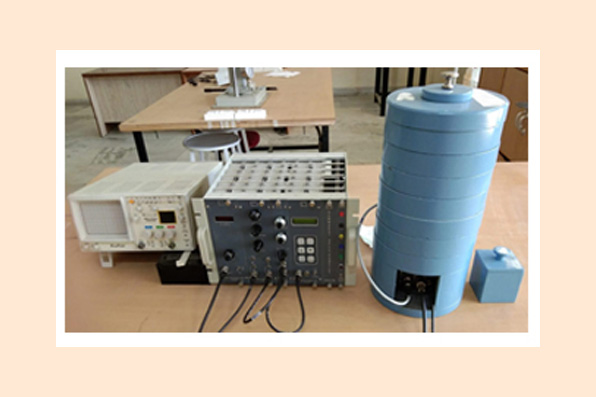
The Solid State Physics Lab provides hands-on experience with the physical principles governing the properties of solid materials. The lab focuses on experimental techniques and measurements that reveal the electrical, magnetic, thermal, and structural behavior of solids. Students explore concepts such as crystal structure, energy bands, semiconductors, superconductivity, and magnetism through experiments involving X-ray diffraction, Hall effect, four-probe resistivity, and dielectric constant measurements.
This lab complements theoretical coursework by deepening students’ understanding of material behavior at the atomic and electronic levels, preparing them for research or industry roles in materials science, electronics, and condensed matter physics.
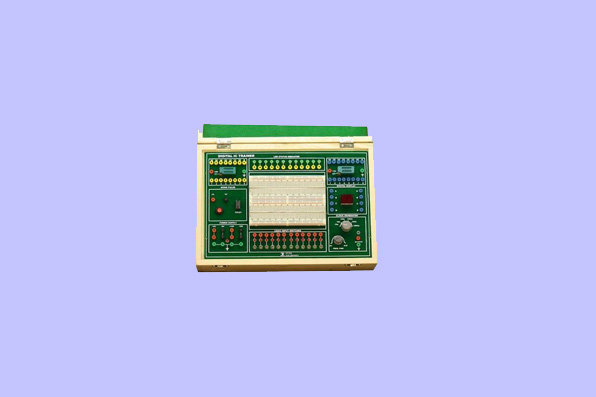
The Digital Systems and Application Lab offers practical experience in the foundational principles and real-world applications of digital electronics and systems. It focuses on the design, implementation, and testing of digital circuits using both discrete components and programmable devices such as microcontrollers.
Students will engage with core topics including logic gates, combinational and sequential circuits, counters, multiplexers, encoders/decoders, memory elements, and timing analysis. The lab incorporates both simulation and hardware-based implementation through the use of digital trainers and development boards.
Through hands-on exercises, students will learn to design and analyze digital circuits, build digital systems using simulation tools and hardware, and develop small-scale applications relevant to embedded systems and digital design.
This lab serves as a vital link between theoretical knowledge and practical application, equipping students to tackle real-world challenges in embedded systems, digital communication, automation, and computer engineering.
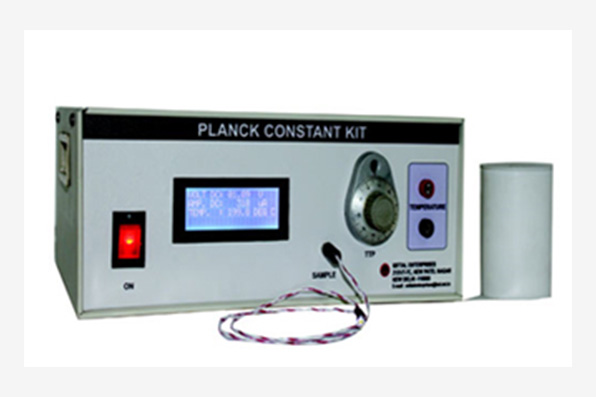
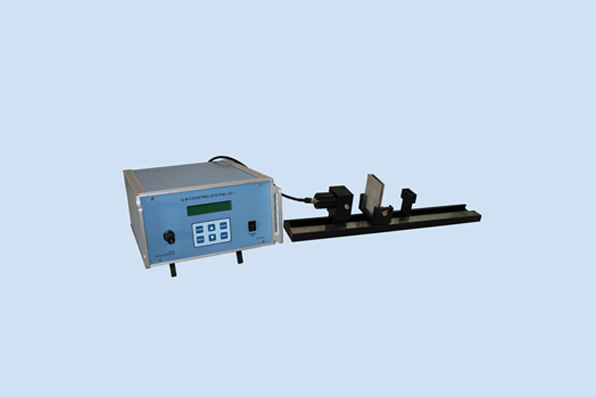
This laboratory course provides hands-on experience with experiments that illustrate the foundational principles of modern physics, including quantum mechanics, atomic and nuclear physics, and special relativity. Students will perform experiments such as the photoelectric effect, electron diffraction, Franck-Hertz experiment, gamma-ray spectroscopy, and more. Emphasis is placed on experimental technique, data analysis, error estimation, and scientific reporting. The course aims to reinforce theoretical concepts through empirical investigation and to develop skills in critical thinking and scientific communication.
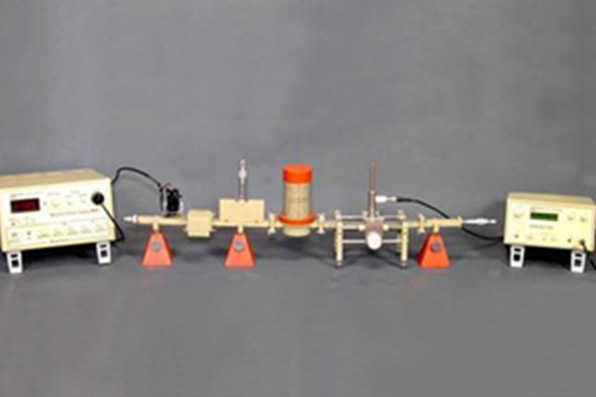
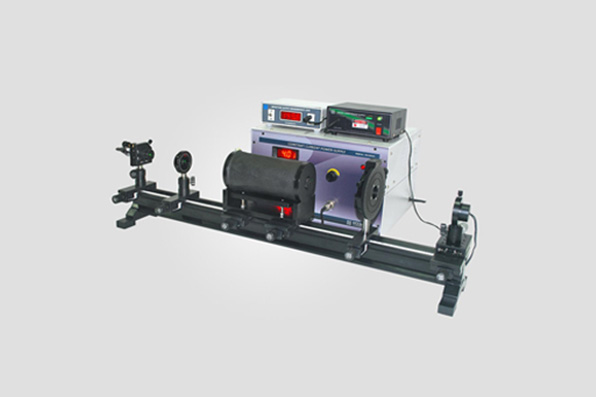
The Electro-Optics Lab is dedicated to the study, development, and characterization of systems and devices that integrate optical and electronic technologies. This lab supports research and experimentation in areas such as laser systems, photodetectors, fiber optics, optical communication, imaging systems, and optoelectronic sensor development. Equipped with advanced instrumentation including lasers, spectrometers, optical benches, modulators, detectors, and data acquisition systems, the lab enables precise analysis and prototyping of electro-optical components and systems. It serves as a critical facility for both academic research and applied development in defense, biomedical imaging, telecommunications, and industrial sensing applications.
The Center of Research in Materials Science (CRMS) is committed to advancing both fundamental and applied knowledge in materials science to tackle pressing global challenges in energy, the environment, healthcare, and technology. Our interdisciplinary work spans the design, synthesis, characterization, and modeling of diverse material systems, including metals, ceramics, polymers, composites, and nanomaterials.
CRMS is equipped with advanced facilities such as a Magnetron Sputtering Unit for materials fabrication and instruments for surface modification, structural, dielectric, and optical analysis, including UV-Vis Spectroscopy and LCR meters. These capabilities enable high-impact research in areas such as advanced coatings, biomaterials, energy storage, electronic and magnetic materials, and sustainable material technologies.
Our mission is to drive innovation through collaboration with academic, industrial, and governmental partners, while cultivating the next generation of materials scientists and engineers.
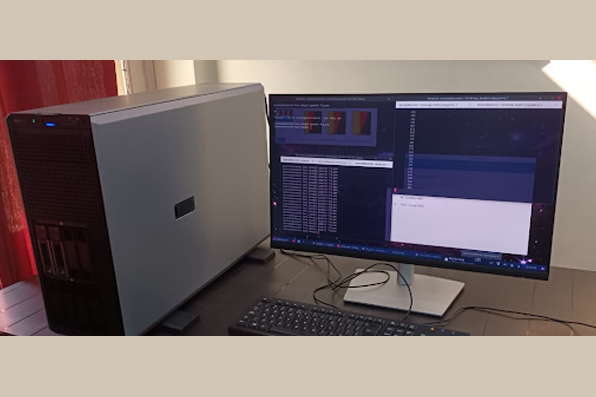
The Center of Research in Computational Physics (CRCP) is dedicated to advancing the frontiers of physics through state-of-the-art computational methods and high-performance simulations. Our mission is to explore complex physical systems across scales—from subatomic particles to cosmological structures—by integrating theoretical models with computational algorithms.
Our research spans a broad range of domains including condensed matter physics, quantum mechanics, statistical physics, and astrophysics. The center leverages cutting-edge numerical techniques, such as Monte Carlo methods, molecular dynamics, density functional theory, and finite element analysis, supported by modern high-performance computing resources.
The CRCP fosters interdisciplinary collaboration and innovation by partnering with academic institutions, national laboratories, and industry leaders. We also emphasize training the next generation of physicists in computational science through graduate and undergraduate research opportunities, workshops, and seminars.
The Computational Physics Lab provides students with hands-on experience in applying numerical methods and computational techniques to solve complex physical problems. The lab is designed to bridge theoretical physics and practical computation, enabling students to model, simulate, and analyze physical systems using programming languages such as Python, C++, or MATLAB.
Key areas of focus include numerical integration and differentiation, solving ordinary and partial differential equations, matrix operations, Monte Carlo simulations, and data visualization.
Through this lab, students gain proficiency in computational tools, scientific programming, and algorithm development, preparing them for advanced research and practical applications in physics and related disciplines.
Stay Fearless And Get Ready To Conquer Your Coursework. According to the U.S Bureau of Labor Statistics, the total employment is projected to grow by 165.4 million over the 2020–30 decade, which means an increase of 11.9 million jobs.